Kevin
Hiridjee

Kevin
Hiridjee

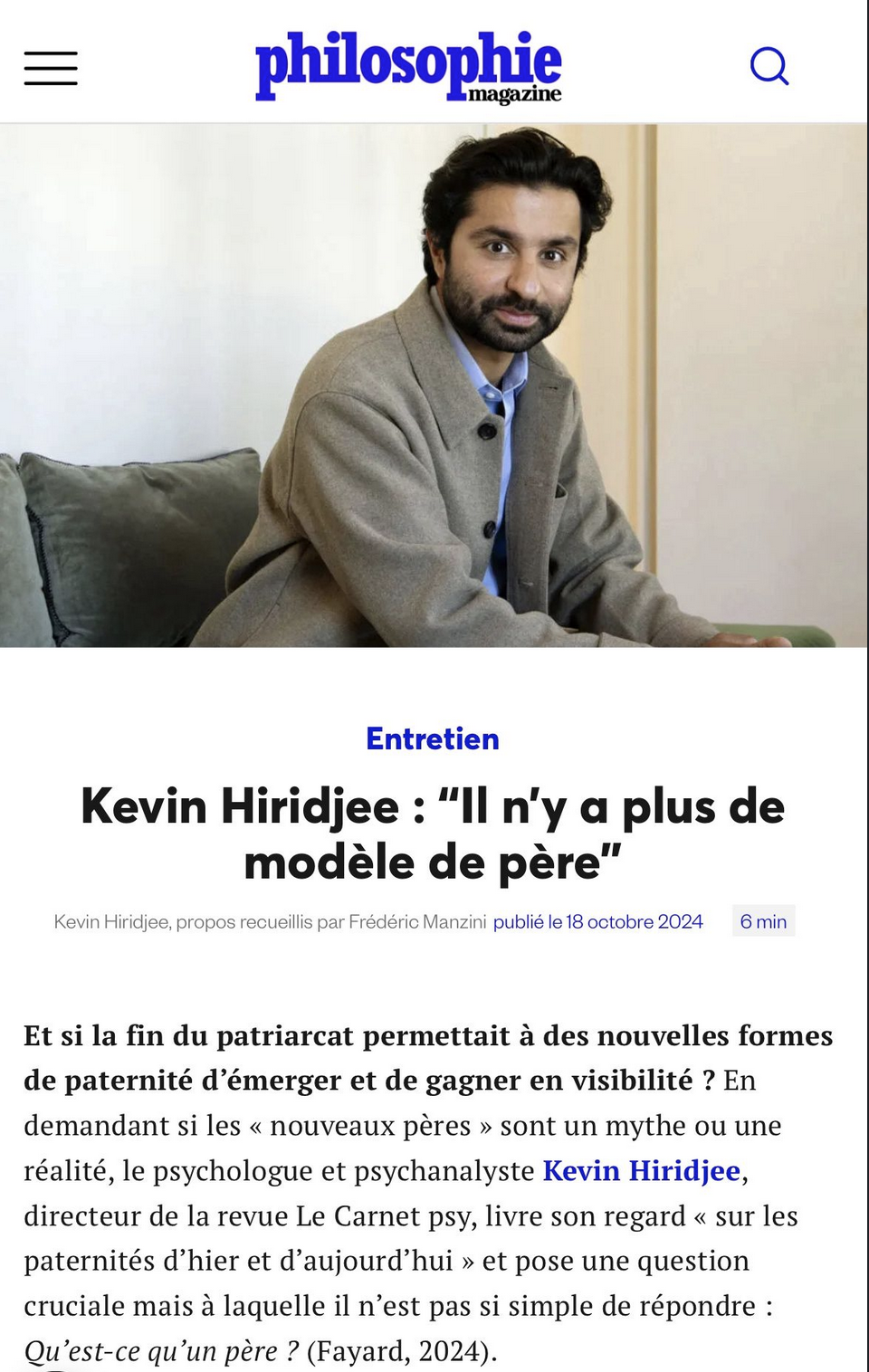
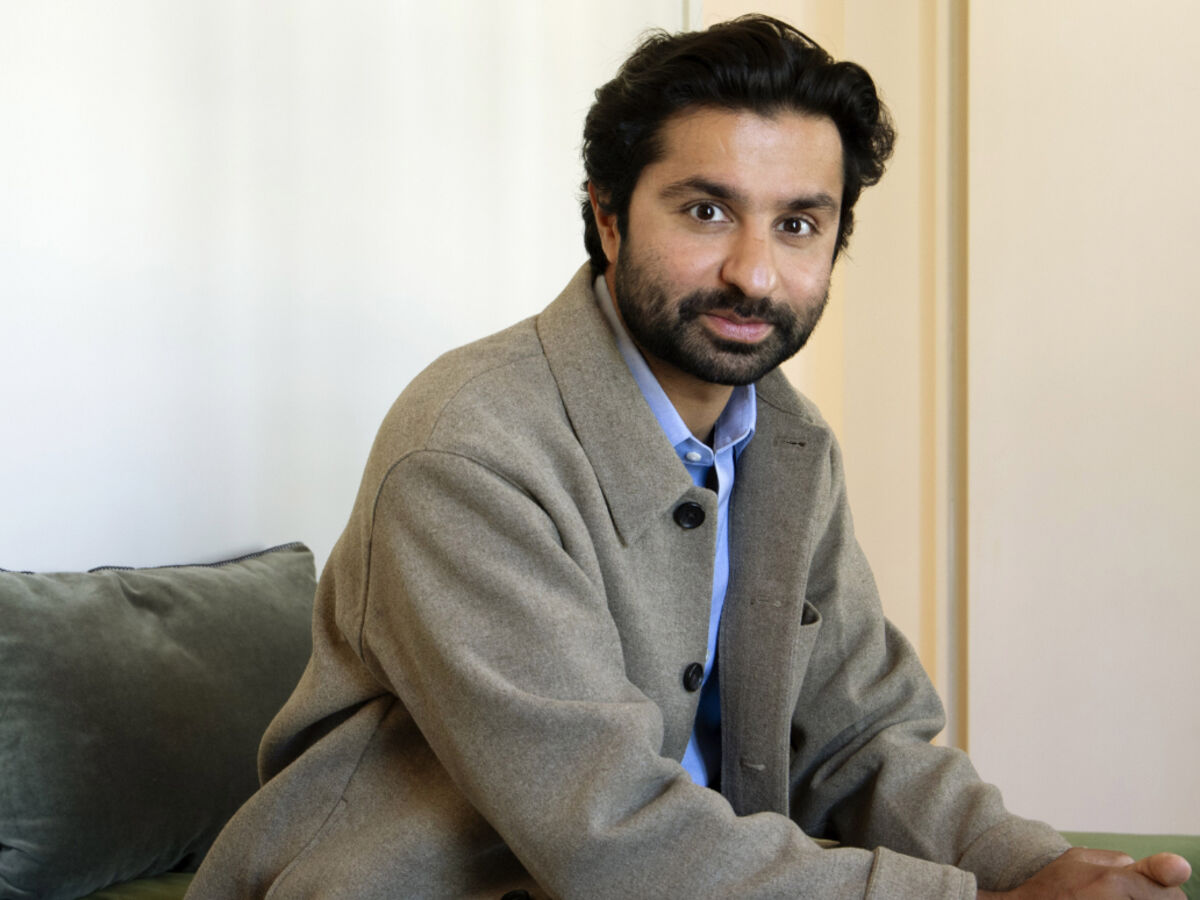
Kevin Hiridjee is a French clinical psychologist and psychotherapist based in Sydney, in the Eastern Suburbs.

He works with adults, adolescents and couples, in both French and English. Consultations are available face-to-face in Sydney or online.

The issues addressed may include anxiety, low self-esteem or lack of confidence, relationship or family difficulties, parenting challenges, life transitions, and periods of personal or professional crisis.

He also has particular experience in working with couples, parenting and family relationships, as well as men’s mental health and issues related to fatherhood and masculinity.

Before moving to Australia, Kevin worked for several years in hospital and maternity settings in France, including at Cochin Hospital in Paris. He holds a Bachelor’s degree and a Master’s degree in Psychology and Psychopathology from Paris Diderot University (Paris 7), a university diploma in Early Childhood Psychopathology, and a research Master’s degree in Psychopathology from Paris Descartes University (Paris 5).

Kevin Hiridjee is the author of several books. He also spent several years as an editor of the French psychology journal Le Carnet Psy.


LinkedIn

Latest book

Cover of Winnicott à la plage by Kevin Hiridjee (Dunod)

Winnicott à la plage

Winnicott at the Beach

The "good enough" parent in a deckchair
What if being a good parent did not mean being a perfect one? A British paediatrician and psychoanalyst, Donald W. Winnicott profoundly transformed our understanding of child development. Far from Freudian dogma or Lacanian abstraction, he places the emotional environment at the heart of psychic construction, in a body of thought at once clinical, humane and deeply original.

Read more

Books

Cover of Ce que les hommes ne disent pas by Kevin Hiridjee (Albin Michel)

What Men Don’t Say

Understanding the misunderstandings between men and women

Elusive one moment, commitment-averse the next, sometimes violent, often stubborn and almost always silent: men have become hard to read. And yet we rarely stop to listen to them. What do they feel that they never say, perhaps because they do not know it themselves?

Read more

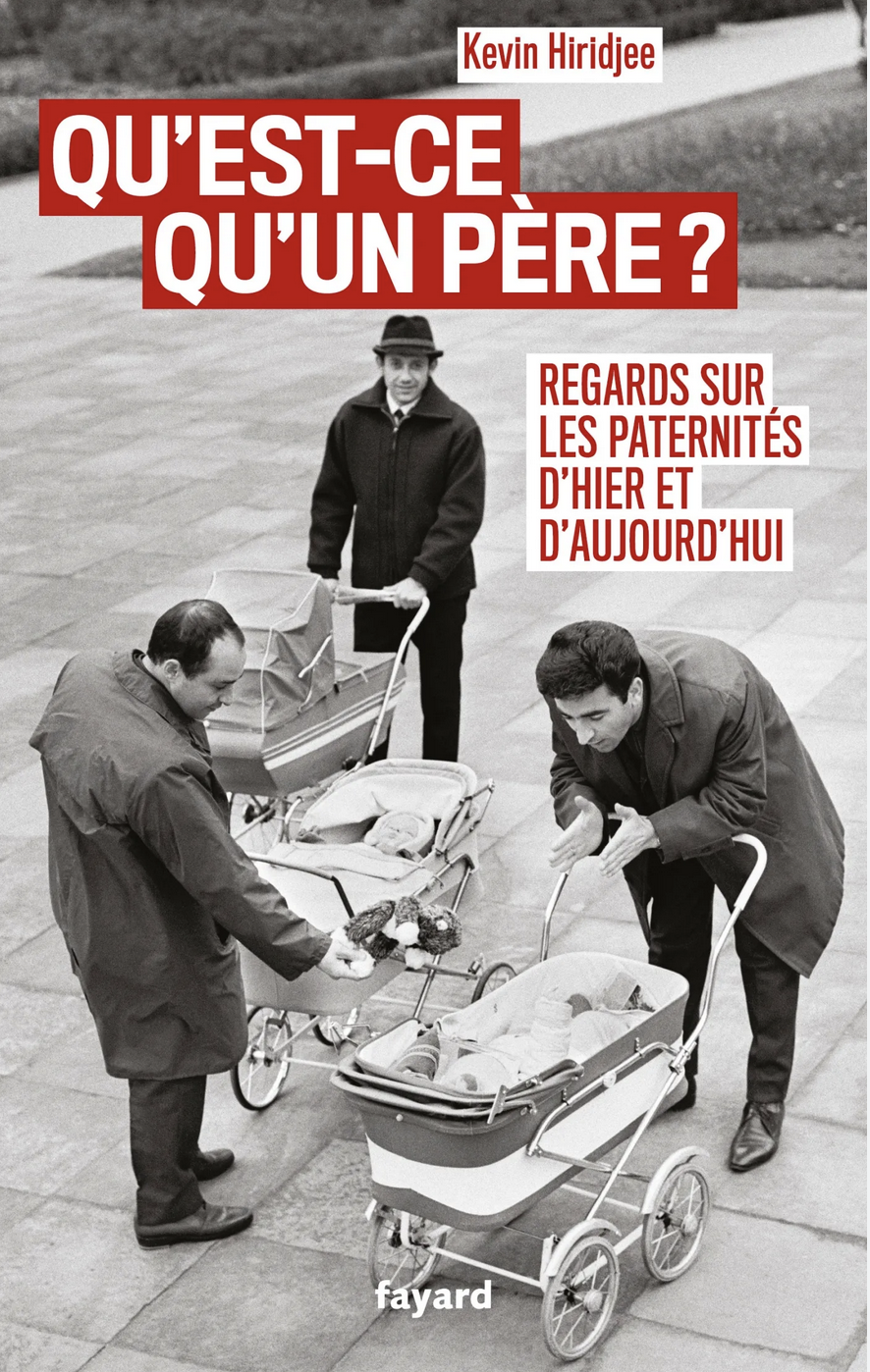
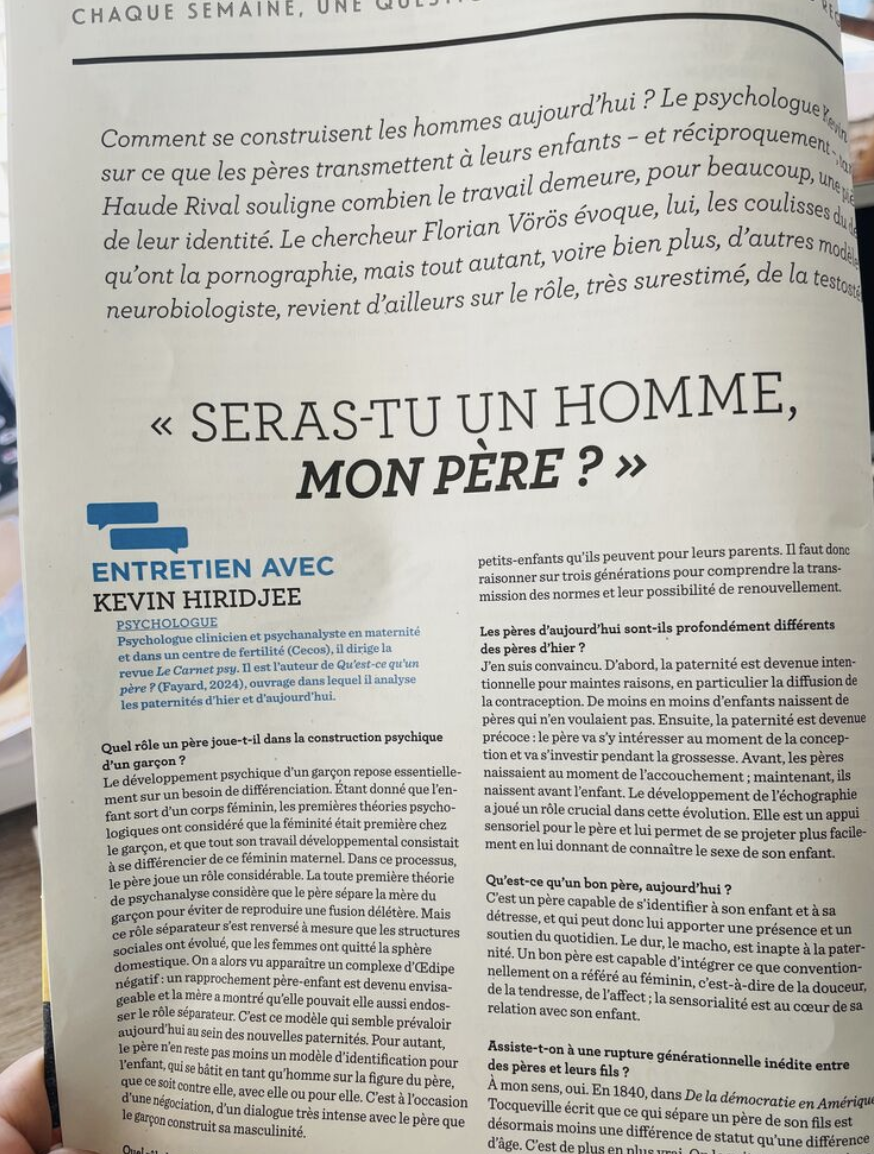
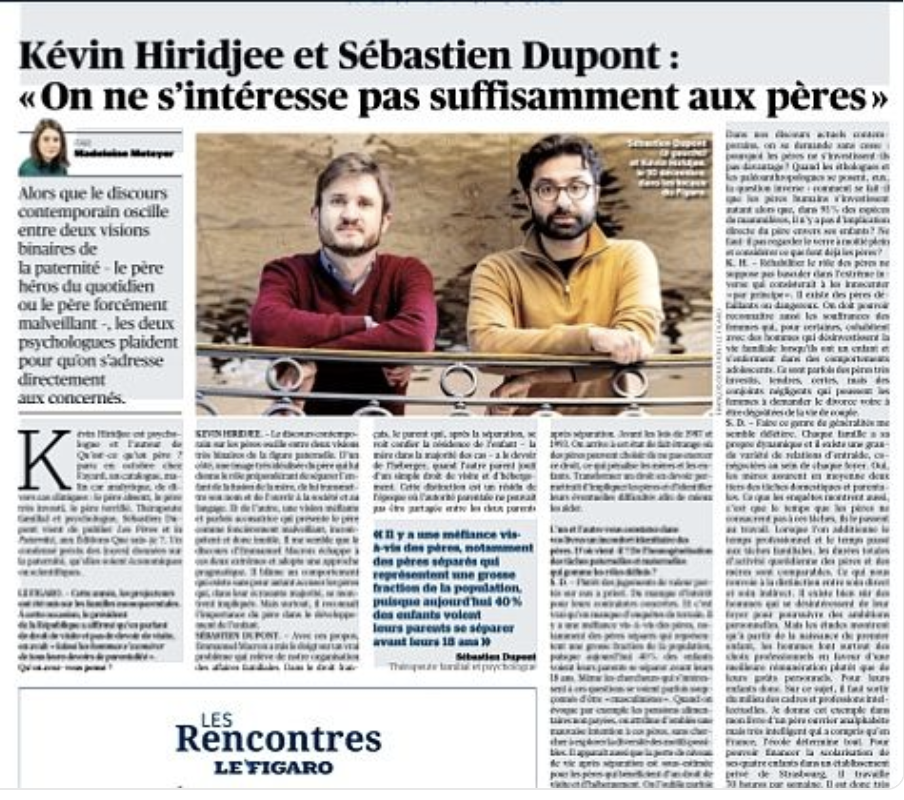
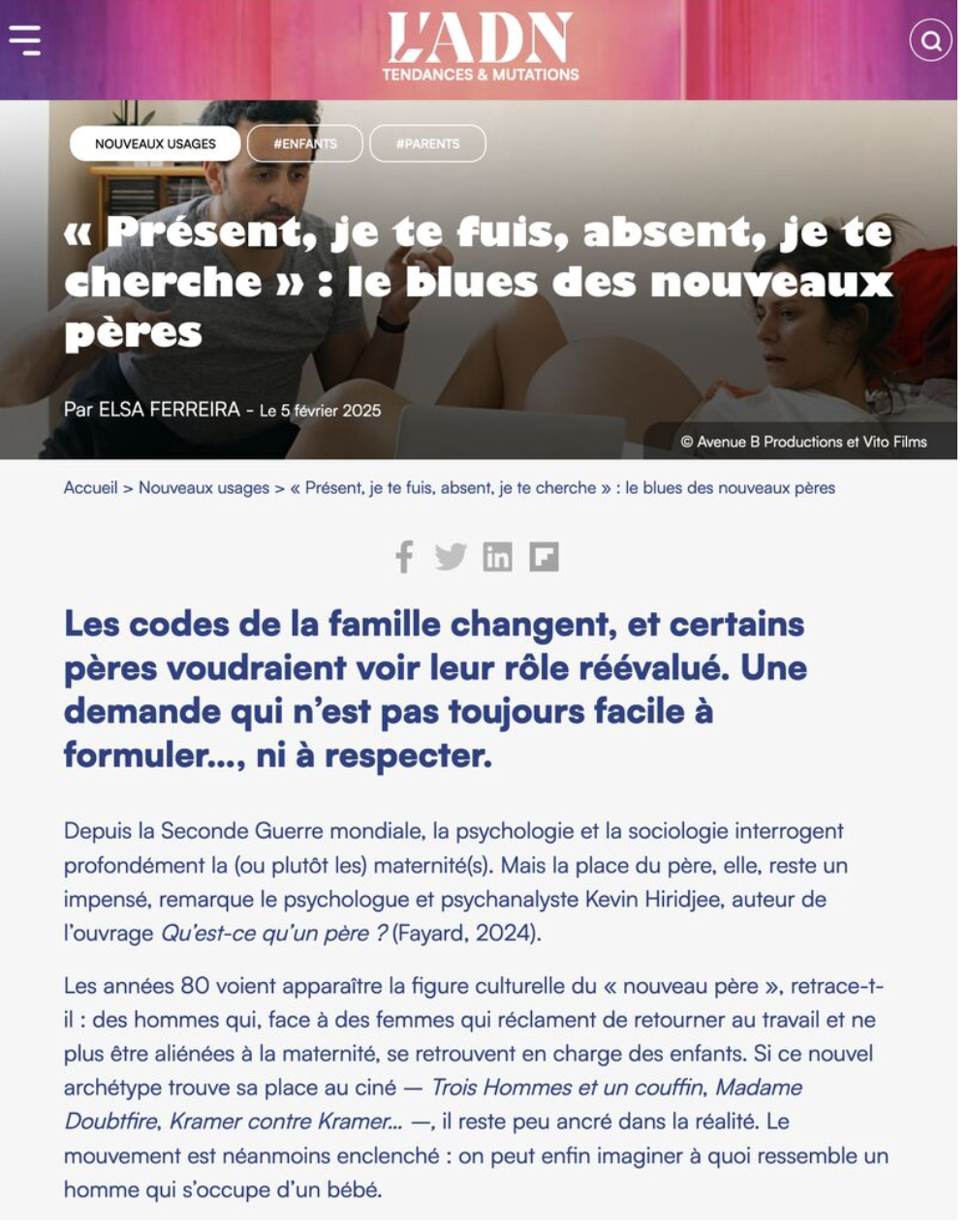
What Is a Father?

Perspectives on fatherhood, past and present

Over the past few decades, fatherhood has undergone immense but silent transformations. Fathers are reinventing their role and consigning the traditional paternal figure to history. That shift produces resistance, tension and questions. Am I a good father? What kind of father should I be? What, in the end, is a father today?

Read more

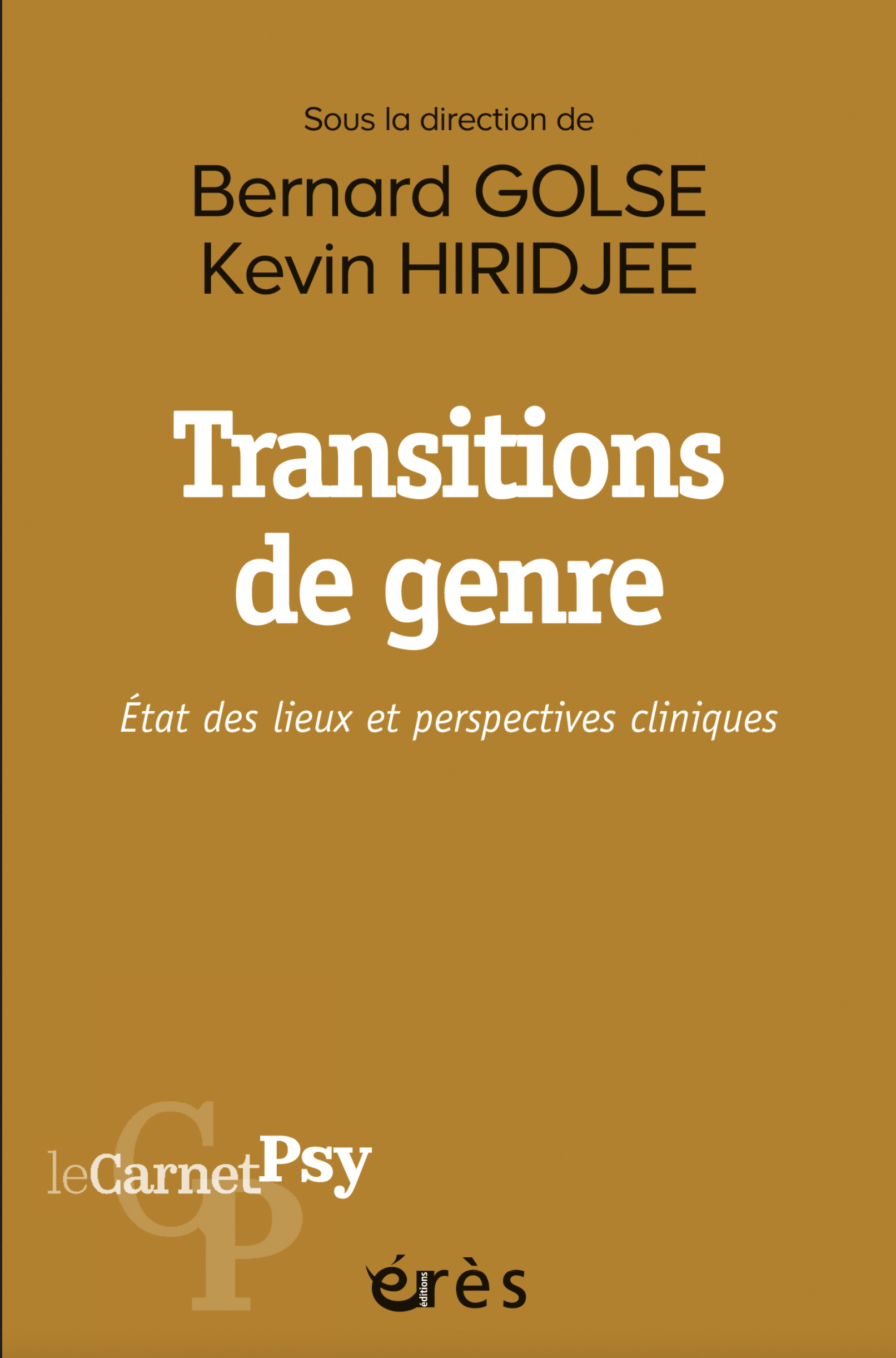
Gender Transitions

Current landscape and clinical perspectives

In a polyphonic space for discussion, the contributors raise the central questions facing clinicians: what dialogue exists between psychoanalysis and gender theory? How is gender identity constructed? What are the patients concerned actually asking for? What can psychiatry offer in response? How much weight should be given to psychic temporality? And what does the questioning of gender owe to the evolution of our society?

Read more

The Desire for a Child in the Age of Assisted Reproduction

Why do we have children? What does it mean to "desire" to become a parent? A clinical reflection and an analysis of how medically assisted reproduction has evolved.

How has reproductive medicine turned that desire into a project, sometimes into a promise, and often into an uphill battle? Through a series of clinical accounts and a reflection on the evolution of assisted reproductive technology, this book brings to light a new way of thinking about "becoming a parent".

Read more

Media

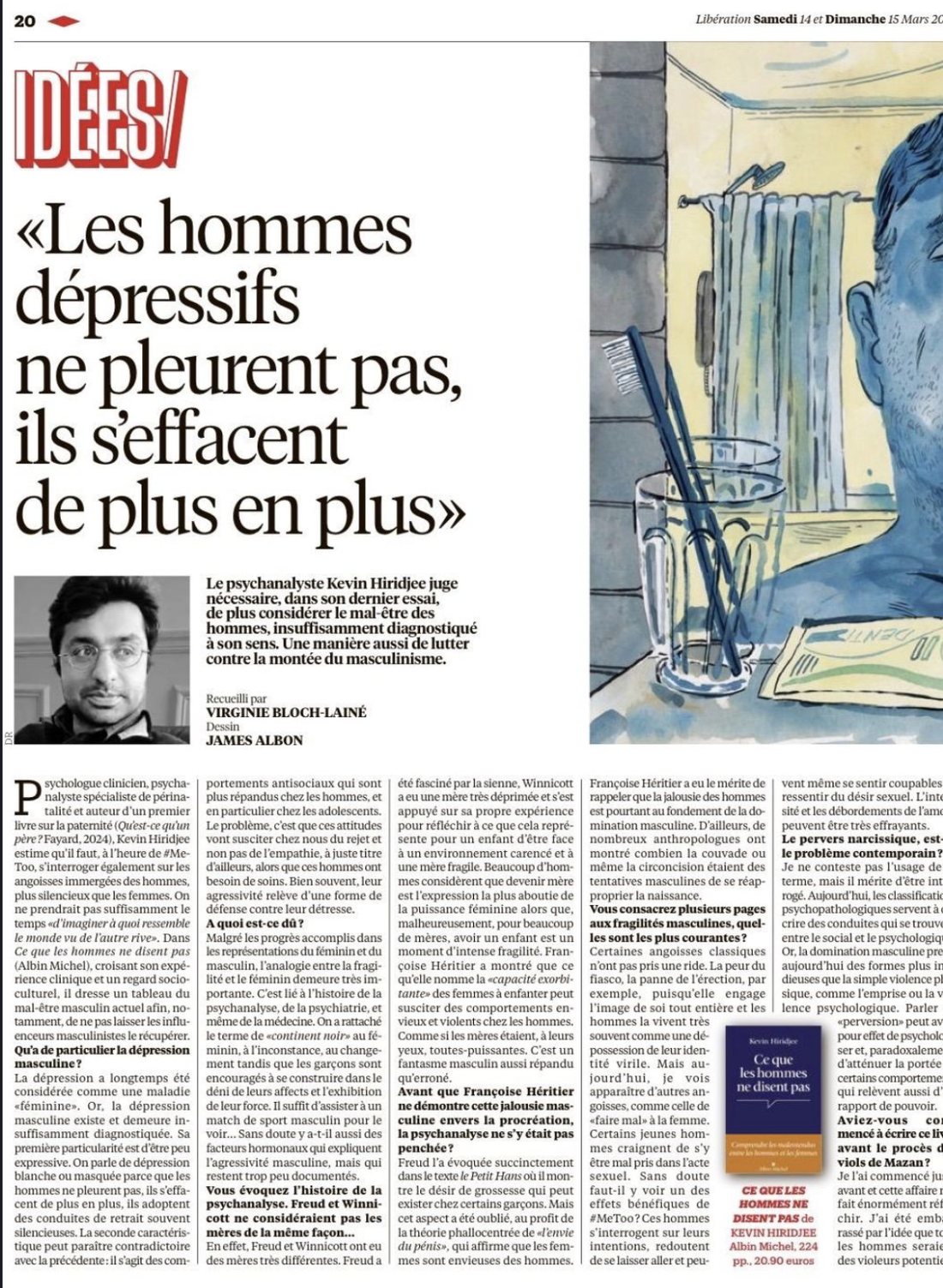
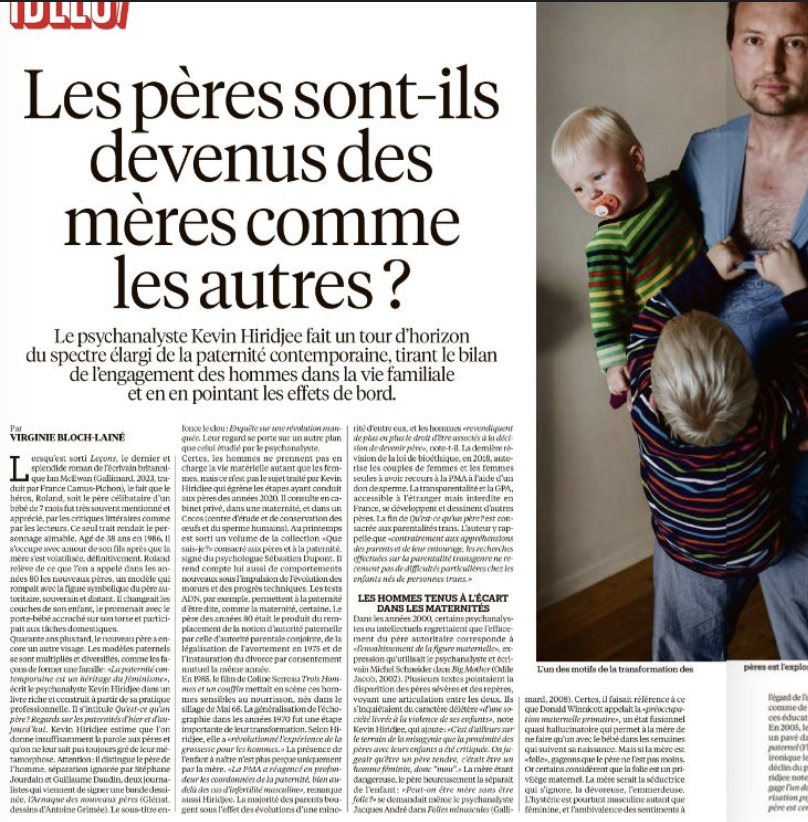
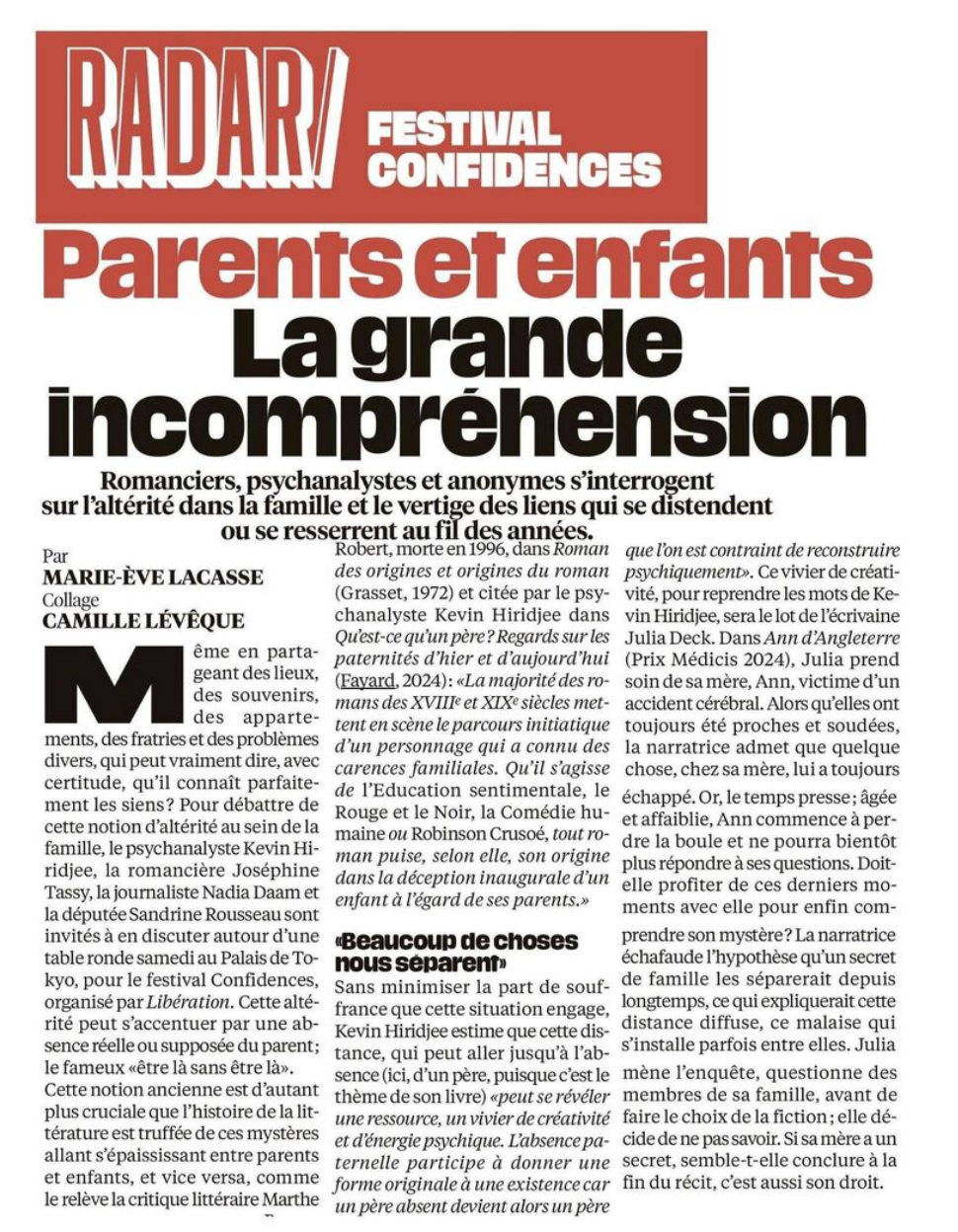
Libération newspaper, Idées section: an interview with Kevin Hiridjee on male depression

Frequently asked questions

What is the fee for a consultation?

The standard fee is approximately AUD $110 for an individual consultation and AUD $180 for a couples consultation.

Reduced fees may be available for students or depending on individual circumstances. This can be discussed before or during the first consultation.

How long does psychotherapy take?

It is impossible to know precisely in advance how long psychotherapy will last, although it is entirely reasonable to ask the question.

Some people come for only a few consultations to work through a specific difficulty or a particular period in their life. Others choose to continue for several months and, in some cases, several years.

The duration depends on each person, the reasons for seeking therapy and what they hope to gain from it. This is something that can be discussed together throughout the course of therapy.

What therapeutic approach do you use?

My approach is primarily integrative and is based above all on talking and listening.

I draw on clinical psychology and different psychotherapeutic approaches, adapting the way I work to each person rather than systematically applying the same method to everyone.

The work may focus on current difficulties, but also on personal history, relationships, emotions, or situations that seem to repeat themselves. The aim is to gain a better understanding of what is happening and to help each person find the responses and changes that are right for them.

Do I need a referral from a doctor?

No. You do not need a referral or prescription from your GP or another health professional.

You can contact me directly by phone or email to make an appointment.

Can I claim a Medicare rebate?

No. Consultations with me are not currently eligible for a Medicare rebate.

Do you offer both online and face-to-face consultations?

Yes. Consultations are available both face-to-face in Sydney and online.

Online consultations also make it possible to work with French-speaking patients living elsewhere in Australia.

Can I have my therapy entirely in French?

Yes. Consultations can be conducted entirely in French or in English.

I work in particular with French and French-speaking people living in Sydney or elsewhere in Australia who would prefer to undertake psychotherapy in their native language.

Will you remain silent during the sessions?

No. My way of working does not involve remaining silent throughout the session.

Listening is an essential part of psychotherapy, but I also believe in the importance of a genuine exchange between the patient and the clinician. I may ask questions, offer observations, make connections or think things through with you when I feel this may be helpful.

My approach is engaged and collaborative, while still allowing each person enough space to speak freely, reflect, and find the solutions or changes that are right for them.

Contact

Consultations in Sydney, in English or in French — couples, adults and adolescents.

Email
Phone — Australia
+61 405 520 216
Phone — France
+33 6 26 54 73 13